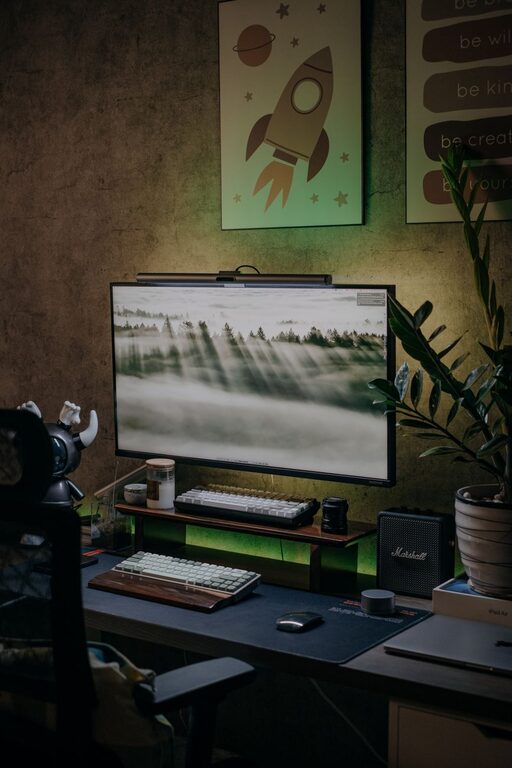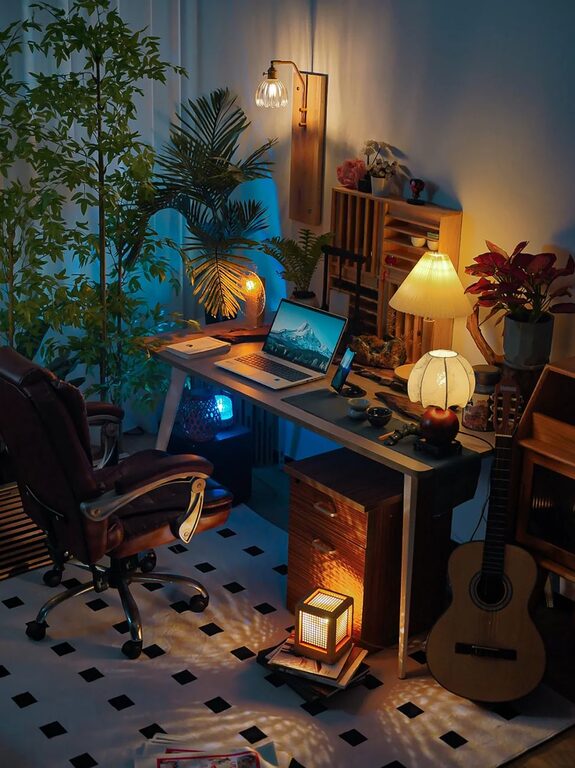

Creating a productive home office environment is essential for anyone working remotely or managing tasks from home. With more people embracing flexible work arrangements, an efficient workspace can significantly improve concentration, comfort, and overall performance. Whether you’re starting from scratch or looking to enhance your existing setup, these tips will help you build a home office that supports your best work.
Choose the Right Location
Selecting the right spot for your home office is the foundation of productivity. Ideally, this space should be quiet, well-lit, and free from distractions.
– Separate from high-traffic areas: Try to pick a room or corner away from busy parts of the home to minimize interruptions.
– Natural light: Position your desk near a window when possible, as natural light can reduce eye strain and boost mood.
– Sufficient space: Ensure there’s enough room for your computer, office supplies, and a comfortable chair.
Invest in Ergonomic Furniture
Comfort is key when you spend long hours working at a desk. Ergonomic furniture supports proper posture and prevents aches.
– Ergonomic chair: Choose a chair with adjustable height, lumbar support, and comfortable cushioning.
– Desk height: Your desk should allow your arms to rest comfortably, usually around elbow height when sitting.
– Monitor placement: Position your screen at eye level, about an arm’s length away, to reduce neck and eye strain.
Organize Your Workspace
A tidy workspace can help keep your mind clear and focused.
– Declutter regularly: Remove unnecessary items and keep only essentials on your desk.
– Storage solutions: Use shelves, drawers, or filing systems to store documents and supplies neatly.
– Cable management: Use clips or ties to keep cords organized and prevent tangling.
Optimize Lighting
Proper lighting reduces fatigue and improves concentration.
– Blend of natural and artificial light: Use natural light during the day and supplement with warm, adjustable desk lamps if needed.
– Avoid glare: Place screens perpendicular to windows to minimize reflections.
– Task lighting: A focused desk lamp helps when reading or doing detailed work.
Minimize Noise and Distractions
Reducing noise allows you to maintain focus and be more productive.
– Noise-cancelling headphones: These can block out household sounds or background noise.
– White noise machines or apps: These create a consistent sound environment that can help mask distractions.
– Set boundaries: Communicate your work hours and quiet times to family or housemates.
Personalize Your Space
Adding personal touches can make your home office feel inviting and motivating.
– Plants: Indoor plants improve air quality and bring a calming element to your workspace.
– Artwork or photos: Display items that inspire you or bring joy.
– Color choices: Use colors that energize or soothe you, such as blues for calmness or yellows for creativity.
Establish a Routine
Working from home requires discipline to separate work from personal life.
– Regular hours: Set consistent work times to help your body and mind get into a productive rhythm.
– Breaks: Take short breaks throughout the day to stretch and recharge.
– Start and end rituals: Develop habits like a morning coffee or closing your laptop at a specific time to signal the beginning and end of your workday.
Use Technology Wisely
Technology can enhance productivity if used thoughtfully.
– Reliable internet: Ensure your connection is fast and stable to avoid disruptions.
– Productivity tools: Utilize apps for task management, calendar scheduling, and focus timers.
– Keep software updated: Regular updates improve security and performance.
Maintain Good Air Quality and Temperature
Comfortable air and temperature levels contribute to better focus and health.
– Ventilation: Open windows or use air purifiers for fresh air circulation.
– Temperature control: Use fans, heaters, or humidifiers as needed to keep the space comfortable year-round.
Stay Active
A sedentary lifestyle can affect your energy and well-being.
– Standing desk: Consider a desk that allows alternating between sitting and standing.
– Stretch breaks: Incorporate short physical activities or stretches during breaks.
– Exercise routine: Schedule regular exercise outside of work hours to maintain your physical and mental health.
—
Creating a productive home office environment takes some planning but pays off with improved focus, comfort, and work satisfaction. By selecting the right location, organizing thoughtfully, and maintaining healthy habits, you can make your home office a place where work gets done efficiently and enjoyably.
About the Author